Wireless string monitoring units for utility-scale solar PV plants
Precision Meets Simplicity: IEC-Compliant Wireless SMUs
IEC 61724-1:2021 Class A Compliance
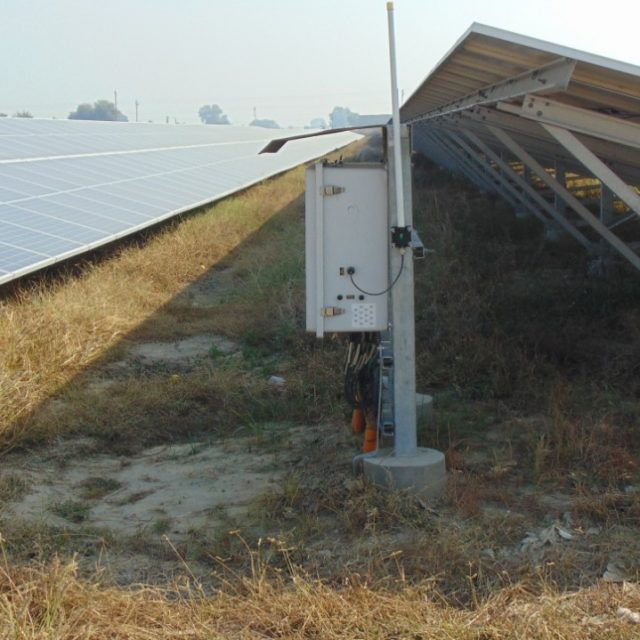
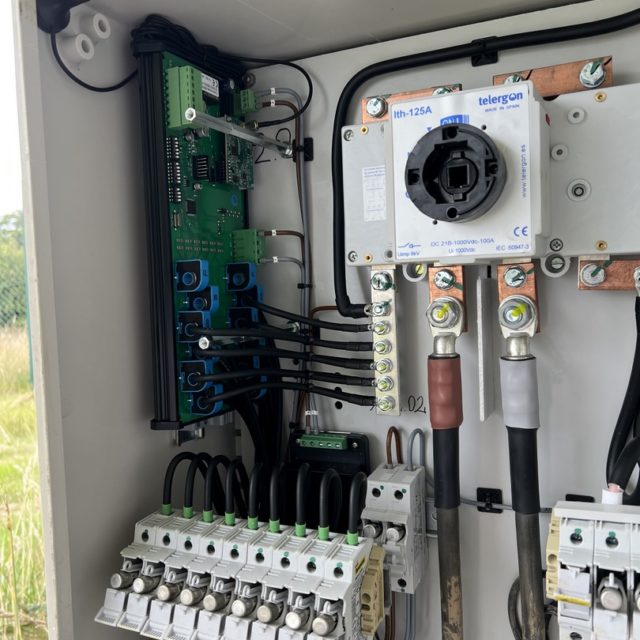
Optimized for Combiner Boxes
Comprehensive Parameter Monitoring
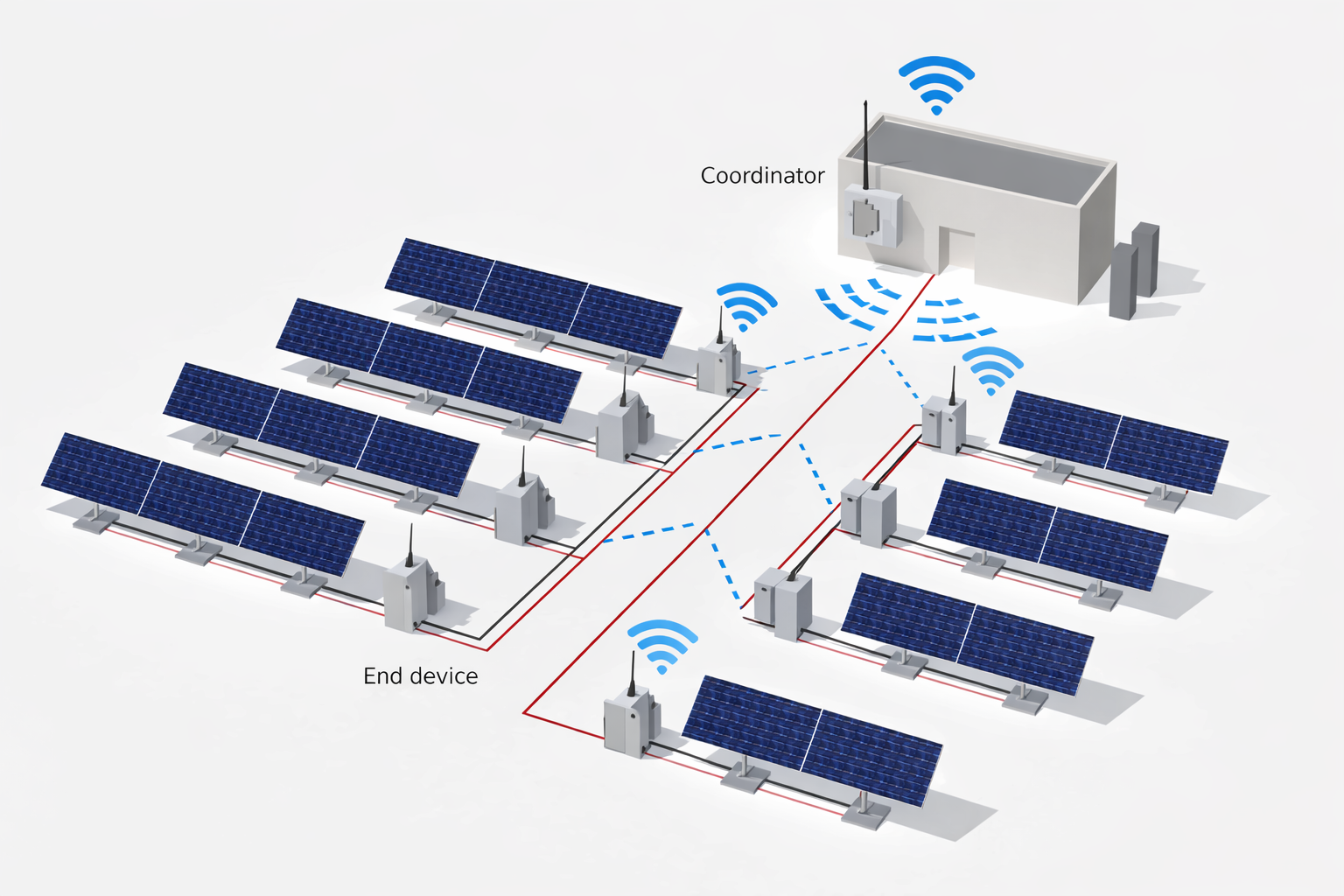
Wireless Mesh Communication
Our Working Process
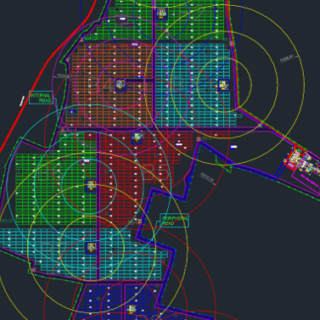
Solar Plant Layout Analysis
We analyze the layout of your PV plant to design the most reliable wireless communication architecture between combiner boxes and the central monitoring system.
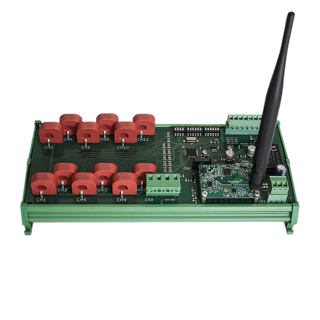
Combiner Box Integration
SMUs are configured to match your combiner box design and string configuration, ensuring seamless installation and accurate measurement.
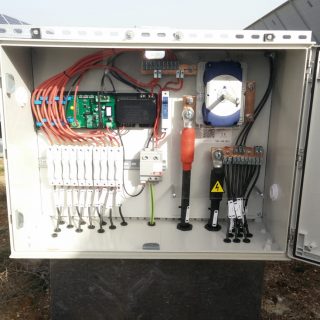
Guided Installation Support
Our team assists during commissioning to ensure correct configuration, network setup, and integration with your monitoring platform.
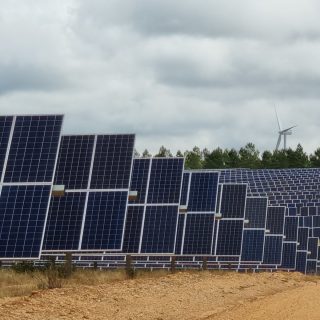
Continuous Support
We provide long-term support services to maintain system reliability and ensure optimal monitoring performance.
FAQs
- Why choose wireless SMUs over cabled communication?
- Is wireless reliable enough for IEC 61724-1:2021 Class A monitoring?
- How does a wireless mesh scale on utility-scale plants?
- Where does wireless deliver the biggest advantage?
- How does wireless data reach SCADA or the cloud?
- What sensing technologies and configurations do your wireless SMUs support?
Wireless eliminates most trenching and long cable runs, speeding up commissioning and cutting CAPEX/OPEX. It’s also ideal for retrofits—instrument strings without new conduits or civil works.
Yes. Our system is designed to meet Class A requirements with sub-minute data storage, robust EMC performance inside combiner boxes, and a mesh network that delivers measurements and status signals (e.g., switch disconnector) quickly and redundantly.
The network is self-forming and simple to expand: add combiner boxes and the mesh adapts—no new communication cable needed. This makes phased builds and future extensions straightforward.
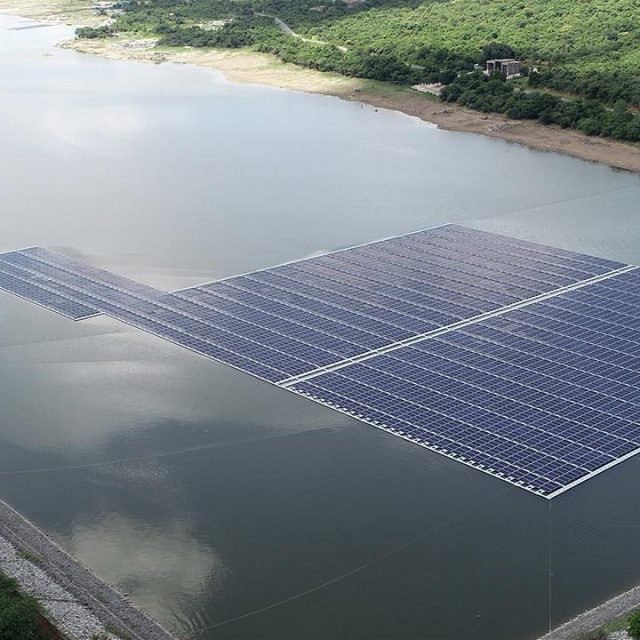
Sites where trenching is hard or costly—floating PV, rocky terrain, brownfields, road crossings, or long distances between arrays. Fewer cables also means fewer field failures and faster fault isolation.
In our architecture, the wireless network master is the DM-108. It aggregates string data from the SMUs and exposes it via Modbus RTU. From there, you can either use a standard Modbus RTU-to-TCP converter to feed SCADA, or route data through any of our Industrial IoT gateways to SCADA or the Concordia® Industrial IoT Cloud for real-time dashboards and analytics.
We offer two series: one measures string current with shunt technology and the other with Hall-effect sensors. All SMUs also measure string voltage and can read temperature, solar irradiance, wind intensity, and the status of breakers and SPD devices. Channel options include 8, 12, 16, 20, 24, and 32 strings, and all models are designed for 1000 VDC and 1500 VDC PV applications.